How to Care for Your HVAC System in the Winter

Enjoy reading the latest DIY articles and saving money?
Receive our latest helpful hints, tricks and savings, directly to your inbox.
Posted December 19, 2025
With the low temperatures brought by the winter season, households are finding ways to beat the cold. Heating systems and furnaces are running day and night to keep homes warm. It’s even estimated that 51 percent of energy bills in an average home go to air conditioning and space heating.
No one wants their furnace breaking down in this cold weather. It’s also the time to schedule a heating repair for your heating equipment to keep you warm all winter long.
For a minimal investment, you can save money, enjoy the warmth and breathe cleaner air. You’ll also be conserving the environment while enjoying peace of mind.
The investment we’re talking about here is caring for your HVAC system. Here’s how to go about it to make your house more habitable this winter:
Re-Program the Thermostat
Change the programmed temperature settings on your smart thermostat to adapt to the cold season. The thermostat will switch your heating or cooling devices on/off and regulate heat transfer. When adjusted to the correct temperature range, it can adapt to your home’s heating needs.
Choose energy-efficient and comfortable temperature settings when your home has occupants. Setting the device to 68 degrees will help improve energy efficiency and comfort. The less your heating system runs, the longer it lasts.

Set the temperature range to 10 to 15 degrees when your house is unoccupied. This temperature setting will help reduce heating waste and save energy bills. It’s even easier to lower your yearly energy consumption by 10 percent.
Select AUTO for fan settings for the fan to only run when the heating cycles change. The AUTO setting limits cold air coming from your vents and reduces power consumption.
Schedule an Expert Furnace Tune-Up
A professional furnace tune-up will keep your heating system reliable and efficient. Reach out to an HVAC contractor to schedule the service in the fall. Always have your boilers and furnaces served at least once a year too.
The tune-up will help undo the wear and performance flaws that the furnace suffered recently. Without the service, it will be difficult for the furnace to warm up your house effectively. It won’t protect your household from heating outages in the winter.
During the maintenance, the technician will check your HVAC system for malfunctions. They will also correct these defects before they worsen. Most HVAC issues can be resolved simply and require fewer repair costs when caught early.
You should always keep the area around the heating system or furnace clear and clean. Debris and dirt sucked up into the furnace may affect air quality. Remember to sweep through the chimneys to remove soot buildup and prevent smoke from getting stuck.
Choose three days outside your daily schedule to test your heat pump or furnace. Adjust the thermostat to your indoor heating temperatures as you do the test drive. Check whether the heating system produces consistent heat throughout your house.
Have the Ductwork Inspected
Inspect the ducts in your home as part of the HVAC maintenance procedure. Have any gaps sealed to prevent heat loss in your living spaces? The technician will check the unit for leaks in the ductwork and repair them.
The ducts may channel cold air from the crawl space/attic to your living spaces when left uninspected. Even when the heater is running, it will be difficult for your house to warm up due to the cold air flowing through the vents. The heat pump or furnace will do more work to compensate for the heat loss.
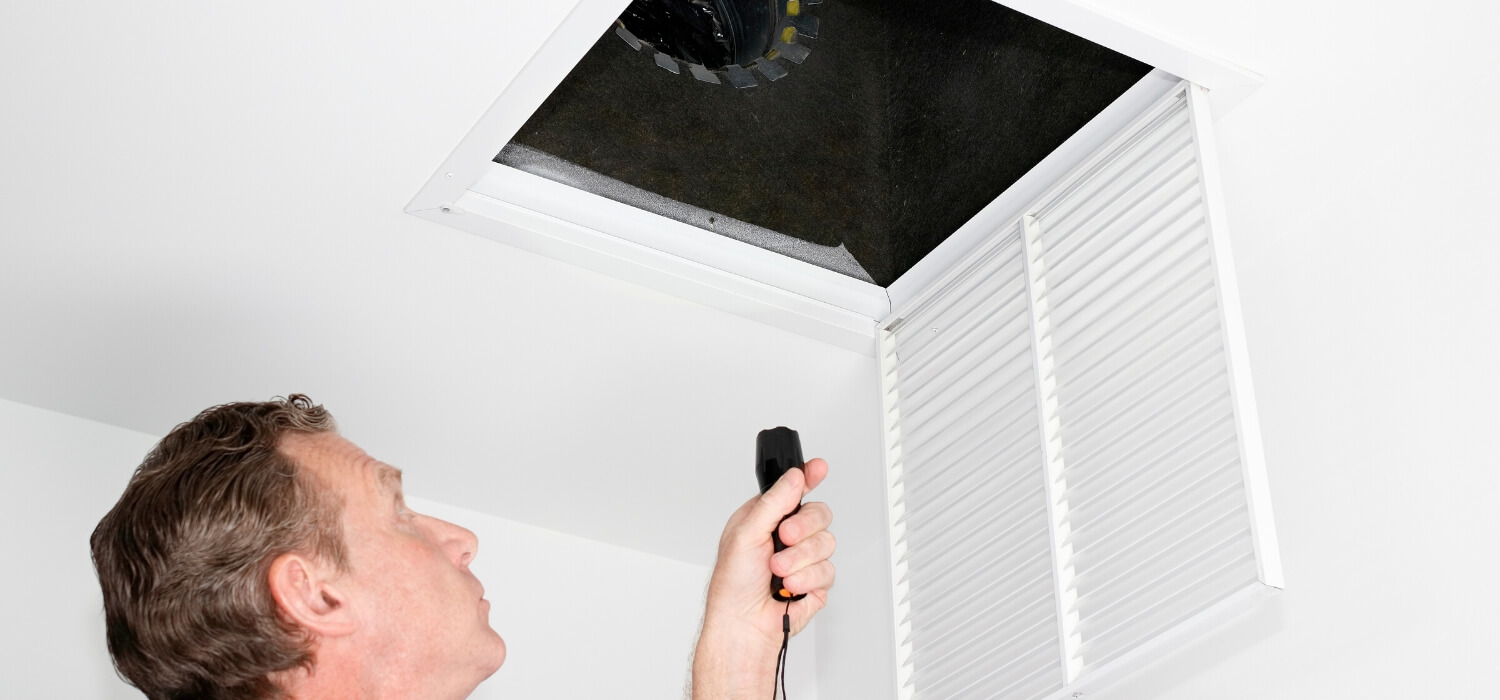
Keep all vents in your living areas unobstructed and open. If anything is blocking them, the ductwork will probably break down. Warm air will get trapped in the ducts resulting in poor energy efficiency, damage, and overheating.
Leave the vent louvers open and clean them to make your HVAC system more efficient. You should also inspect return air grills and supply vents for obstructions. Dirt and dirt buildup may limit airflow and lead to poor air quality.
Check if the Humidifier is Working
A humidifier replenishes moisture lost in the air when the heating system is running. It keeps your living spaces from having dry air, which can suck out moisture from the skin. Without a humidifier, you risk waking up with dull, flaking, or dry skin in the winter months.
Change the water panel on your humidifier at least twice every season. You should also remove and clean its water reservoir, which accumulates mineral scale and microbes over time. Gently wipe down the intake vent leading to the fan and the exterior housing.
Have the drain line in your humidifier inspected for leaks. The humidifier should also be switched on at all times during the winter.
Instead of tap water, use demineralized or distilled water in the humidifier. A safe disinfectant or hydrogen peroxide can help you clean the device. Remember to rinse the water tank when cleaning it and change the filters to get rid of germs.
Replace Air Filters
Debris and dirt may damage the delicate internal parts without air filters in your HVAC system. Replace the air filters every month or every 12 months according to the manufacturer’s recommendations.
Air filters fill up quickly during winter when the heating systems work heavily. You risk breathing in dust if the current filter is coated in dust and debris. Ensure you replace the filter before the current one gets clogged.
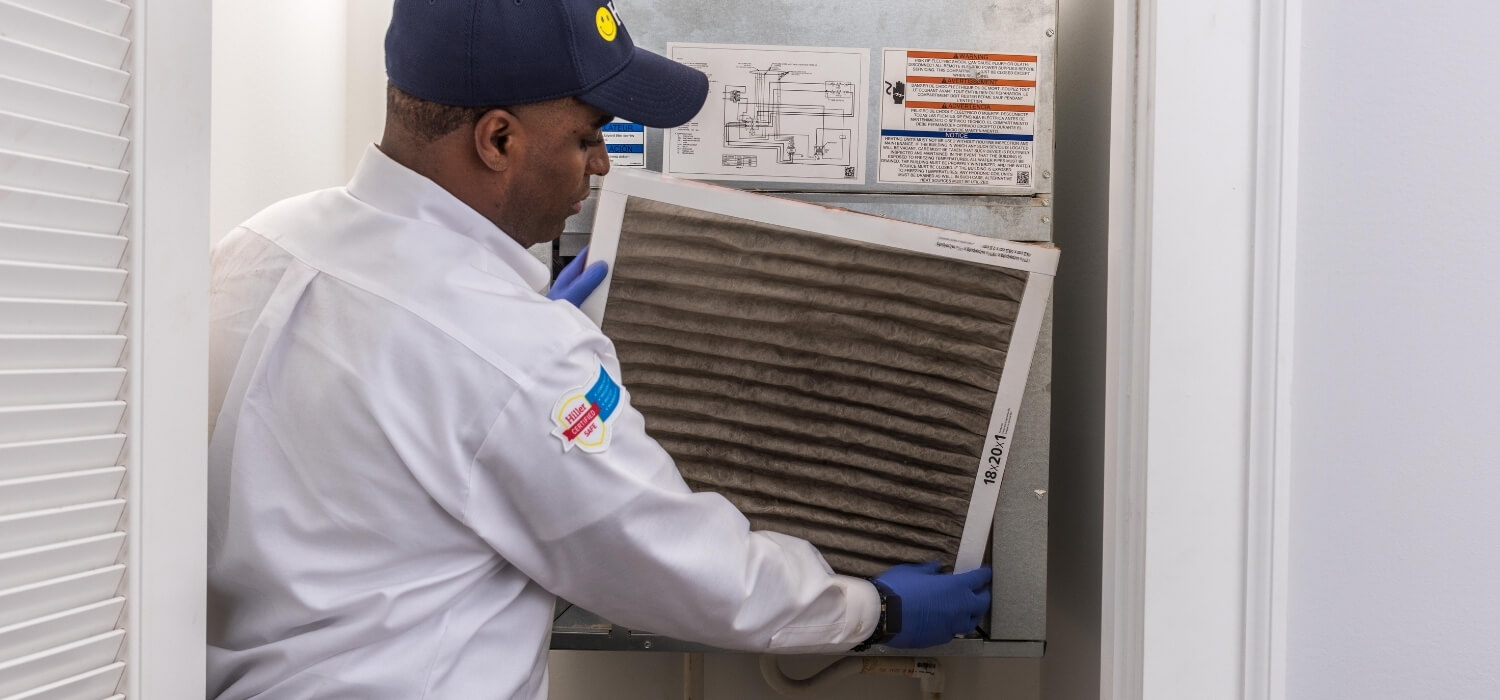
Dirty filters can’t operate normally since they’ll be filled with contaminants. Your HVAC system will consume lots of energy since it will be working hard to dispel air. It may overheat and eventually break down, leaving your house cold.
Before replacing the filter, refer to the HVAC owner’s manual to know the kind to buy. Air filters come in varying sizes and shapes to suit your AC or furnace. Your HVAC warranty plan may cover the filter expenses if you qualify for the warranty.
Test Carbon Monoxide and Smoke Detectors
When you’re keeping warm indoors, you are at great risk of carbon monoxide poisoning in the winter. Besides having your furnace inspected, you should also install and test smoke detectors. An inactive carbon monoxide detector won’t alarm you when there are toxic gasses in your home.
Press the test button on the gadget to test carbon monoxide and smoke alarms. Carry these tests every month to ensure that the device is working well. Be sure to replace batteries in the device with 9V batteries every six months.
Replace your carbon monoxide detector every five to seven years. A 10-year replacement window will work for your smoke detectors to keep you safe. Refer to the owner’s manual to know when to replace the specific model installed in your house.
Add more units of carbon monoxide and smoke detectors to keep your home fully protected. If your property has floors, install a detector on each floor, even the basement.
Winterize Outdoor HVAC Units
Use a tarp or any protective material to shield your outdoor HVAC unit from the effects of the cold weather. You may use a waterproof plastic covering on the unit to protect it from snow. The cover can also keep your outdoor HVAC system free of small animals, branches, and leaves.
Before placing the cover, remove any debris stuck in the unit and clean it off. Gently weed out vegetation growing around the outdoor HVAC unit for it to last. Trim trees and bushes to prevent them from falling on the device during a winter storm.

Remove any home items lying against the HVAC unit and put them in a secure place. You should also leave a ground clearance of two feet around all sides of the device.
If your gutters leak water above the outdoor HVAC device, fix them right away. Remember to switch off your exterior AC before it starts snowing.
Check the Fuel Supply
Check the fuel reserves before the cold season begins if your property uses heating oil or liquid propane. Refuel the tanks early enough to avoid rushing through the cold for fuel. Depending on your location, the roads may be flooded with snow, or it may take longer to get fuel in winter.
Refill your LP tanks once they are 20 percent full to avoid running out of fuel. Refill it right away when the heating oil tank is two-fifth full.
You should also understand the fuel needs of your reserves before shopping for fuel. Oil furnaces consume two to five gallons of fuel every day. On the other hand, propane furnaces use about one gallon of liquid propane every hour of heating.
Make use of remote monitoring technology to track heating fuel levels. A smart oil gauge can also send you accurate oil level readings and fuel alerts to your smartphone.
Monitor the tank levels and schedule refills to keep your furnace or heater running. You risk interfering with your home’s heating cycle if you leave the tank volumes too low.
Always inspect the propane tank for leaks before refilling it to save fuel costs. Propane tanks are susceptible to rust, which may weaken the surface and leak gas. If you leave the gas valves open once the tank runs out, it may explode or develop leaks.
Make HVAC Repairs and Replacements Early
Schedule an HVAC tune-up to uncover issues in the unit that needs fixing. Keep an HVAC maintenance checklist to identify these issues. Delaying repairs will cost you in the long run.
HVAC units don’t respond well to delayed repairs or replacements. Their efficiency usually declines every time a component breaks down, and you fail to repair it. It will even cost more money to carry out the repairs later on or make a replacement.
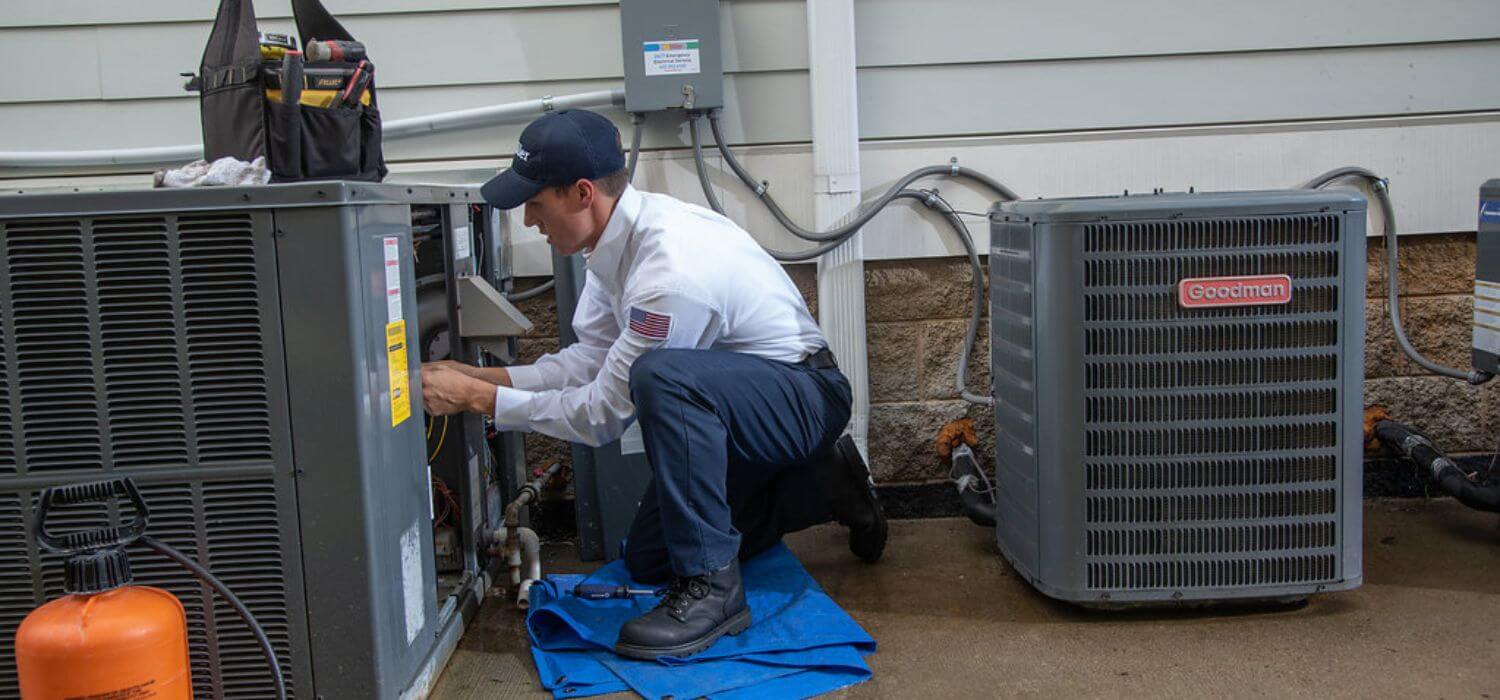
You risk having heating outages during winter after failing to repair your furnace. Scheduling the service before the cold season will give the technician time to fix the problem. The unit won’t need any emergency repair or extra costs that come with the service.
If you want to replace your heat pump or furnace, shop for one before the cold weather progresses. Seek advice from HVAC experts on which model will best suit your home. Consider your home’s heating needs and budget in the investment.
Though some HVAC problems can be solved by cleaning, they will result in bigger problems if not fixed early. You can avoid them with regular tune-ups or preventive maintenance calls. Schedule an HVAC tune-up every year for the unit to work efficiently during the cold weather.
Increase Insulation Levels
Your heating system will consume less energy to heat your home if there’s adequate insulation. Increase insulation levels under your floors and attics to prevent heat loss. Insulation will also save you energy bills and keep your household warm.
Hire a professional to install insulation around your house and seal any gaps that bring in cold air. You can choose from different insulating materials depending on where you want them installed and their R-values. Insulating materials come with an R-value to indicate their thermal resistance levels.
Get written cost estimates from different installers for the R-value you need for your home. You should also ask the contractors about their knowledge and experience installing the insulation you want. Find out more about their air-sealing services and fees as well.
Insulating your HVAC unit will ensure that the heating medium (liquid or air) stays at the right temperature. It will also reduce energy loss throughout the system and prevent condensation. As a result, your property’s thermal load and energy consumption will reduce.
Seek Heating Repair Services Today
Your HVAC unit needs to run efficiently to keep your property warm in the winter. Schedule heating repair as part of your HVAC preventative measures to fight the cold weather. You should also consider the tips discussed in this guide to save energy bills and reduce heating outages.
Turn to Hiller for fast and reliable HVAC services for your property this winter. Our technicians pay extra attention to customers’ problems and projects for the best outcomes. Let us know how Hiller can be of service to you via our contact us..
 Daily Promotion
$500 Off Tankless Water Heater
Upgrade your comfort and give back this season.
Get Promotion