Frozen Pipe Repair and Prevention: A Complete Guide

Enjoy reading the latest DIY articles and saving money?
Receive our latest helpful hints, tricks and savings, directly to your inbox.
Posted December 29, 2025
In the United States, the average homeowner will claim $10,849 through their insurance for water damage and freezing issues. This can include frozen or burst pipes!
But many of these claims will be denied if the homeowner didn’t take adequate steps to maintain pipe health and functionality in winter. For example, leaving the heating off for an extended period during freezing temperatures.
Given that a burst pipe can cost anywhere between $150 and $2,000, you must take steps to reduce the need for frozen pipe repair. Why do frozen pipes burst? What can you do to prevent frozen pipes? And when should you call an emergency plumber? To discover the answers to these questions and more, keep on reading!
The Science of Frozen Pipes
You may be wondering why frozen water causes a pipe to burst. There are several answers to this question, as water freezing inside a pipe can cause various problems. The best way to explain the issue is to explore the science behind it.
Water has three states: ice (solid), water (liquid), and steam (air). Temperature and air pressure dictate the state of water. As liquid water freezes, the volume (the 3-dimensional space that matter takes up) of water expands by about 9%. Even though water will only become frozen at 32°F (0°C), the process begins at around 39.2°F (4°C).
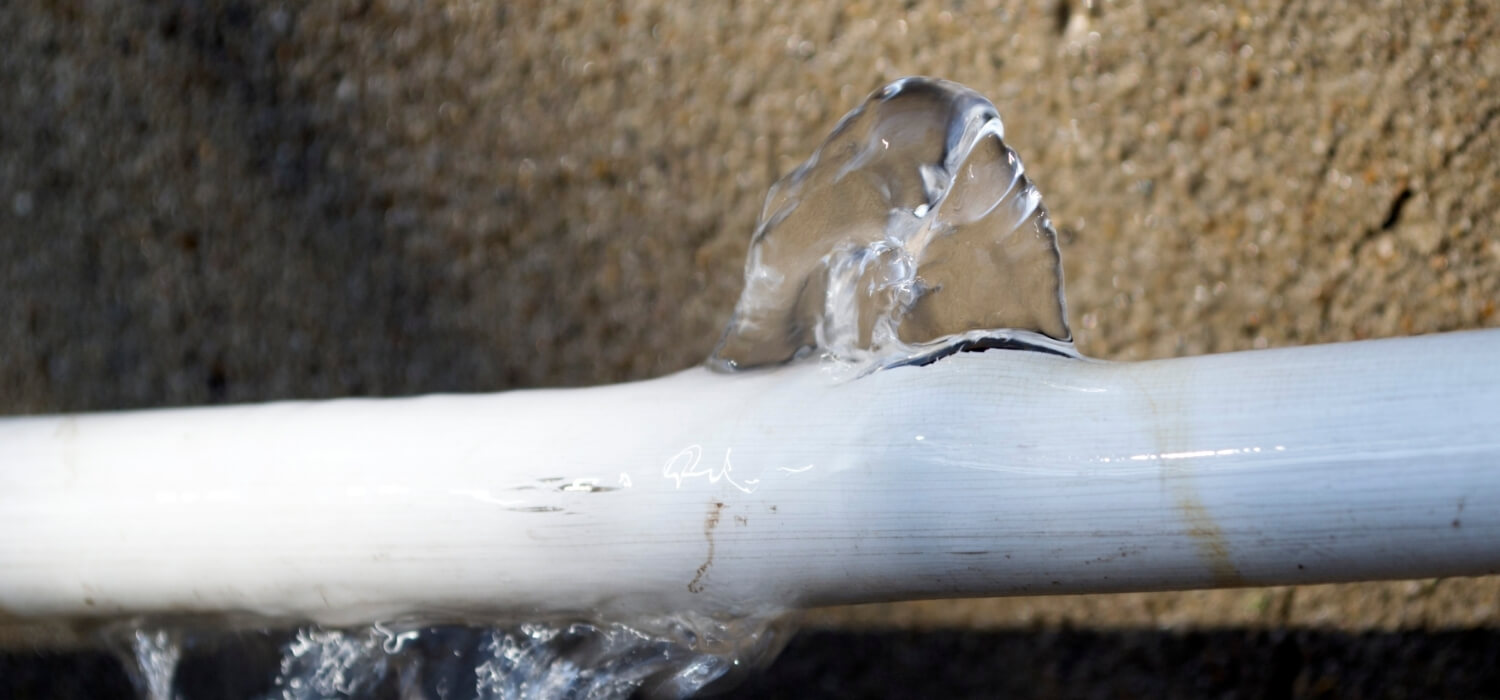
This expansion is so powerful that water will expand until it breaks through any restrictive barriers, including pipes. Fun fact: In a laboratory environment, it’s possible to create pipes so strong that the freezing water can’t expand, meaning the water temperature drops below 32°F but remains liquid.
There are three main ways that freezing or frozen water can burst your pipes:
- The expanding ice bursts the pipe (as discussed above)
- Ice blocks the water, and the pressure buildup bursts the pipe
- Frozen pipes are heated too quickly, and the pipe cracks
A pipe that is exposed to below freezing temperatures can burst in less than 5 hours. Burst pipes are most common towards the end of winter and the beginning of spring. Ice that forms inside the pipes may pass through but will slow the water behind it and cause an increase in water pressure.
A burst pipe can leak 10 gallons of water per minute into your home. Depending on where the pipe bursts in the home will determine how exponential the cost of repairs and cleanup will be. This process requires water remediation, plumbers, painters, and a crew to make repairs to drywall and structure. So, you must take steps to prevent and prepare for such an event.
How to Prevent Frozen Pipes
To reduce the likelihood of you needing an emergency plumber for the frozen pipe repair, you should take steps in winter to prevent the water in your pipes from freezing in the first place. If the temperature reaches 39.2°F (4°C), it’s time to act.
Exterior water pipes and any interior pipes in the attic or basement will be most susceptible to freezing.
Leave the Heating On
When you go on vacation in spring or summer, it’s normal to turn your automated heating and hot water off. Why waste money heating water when there’s nobody to use it?
But in winter, programming your heating to come on for a bit in the morning, evening, and night can help prevent frozen pipes. The water in your pipes stays warmer, but so does the air in your house. This means that interior pipes don’t experience a drastic drop in temperature.
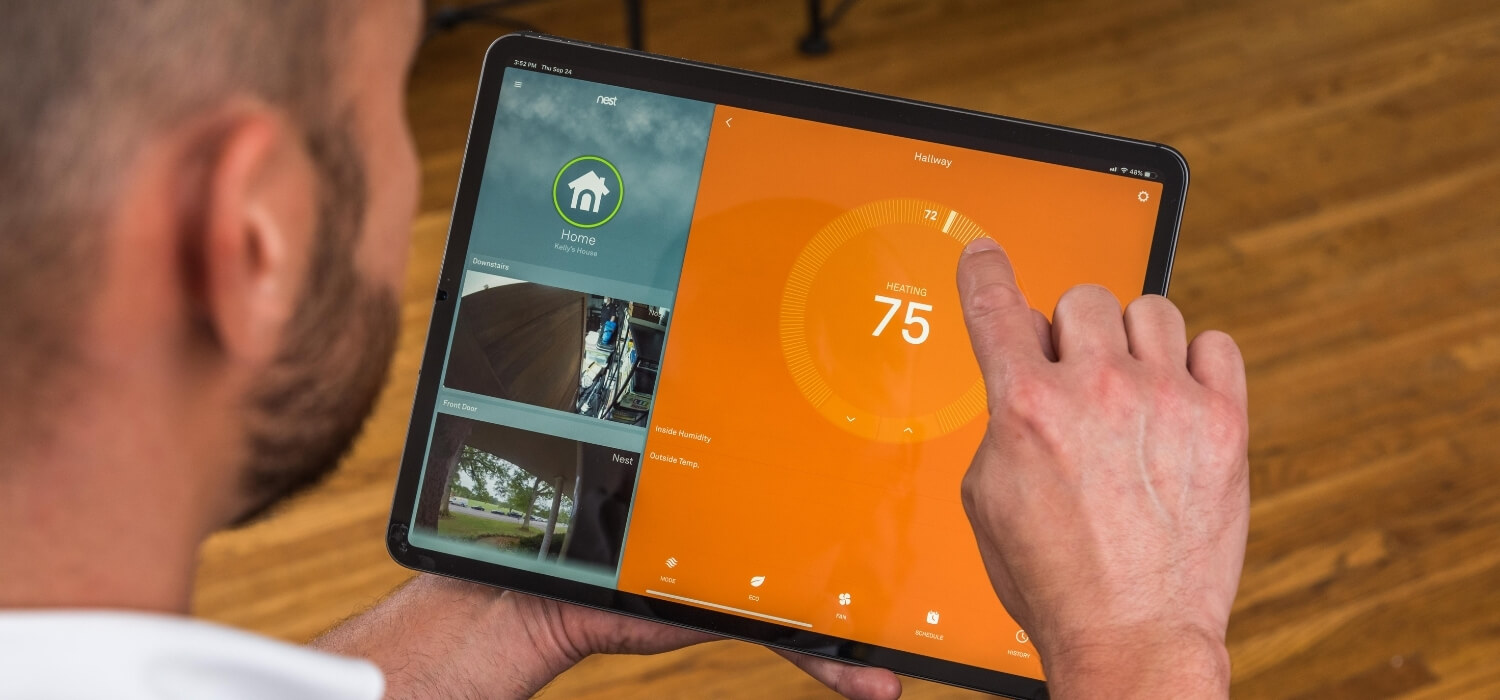
Even when you are home, it’s advisable to keep rooms at a comfortable temperature. Some rooms don’t have heating, so you should leave doors open so the warm air from the rest of the house can get in.
If you’re worried about a particular room getting too cold (especially if visible pipes are running through it), consider using fans to blow warmer air in, or purchase a portable heater. If you have cupboards with pipes inside, leave their doors open as well.
However, make sure your garage door remains closed in winter whenever possible. Otherwise, any pipes in your garage will be exposed to the outside temperature. It also provides an extra barrier to keep the warm air inside.
Empty the Pipes
Another option if you’re going to be away from home is to empty all the water from your pipes. You do this by turning off the water and running all the appliances (faucets, showers, etc.) until they are empty.
This includes any outdoor faucets or hoses. Once you’ve drained any hoses, it’s advisable to store them inside throughout winter to avoid damage.
Other Options
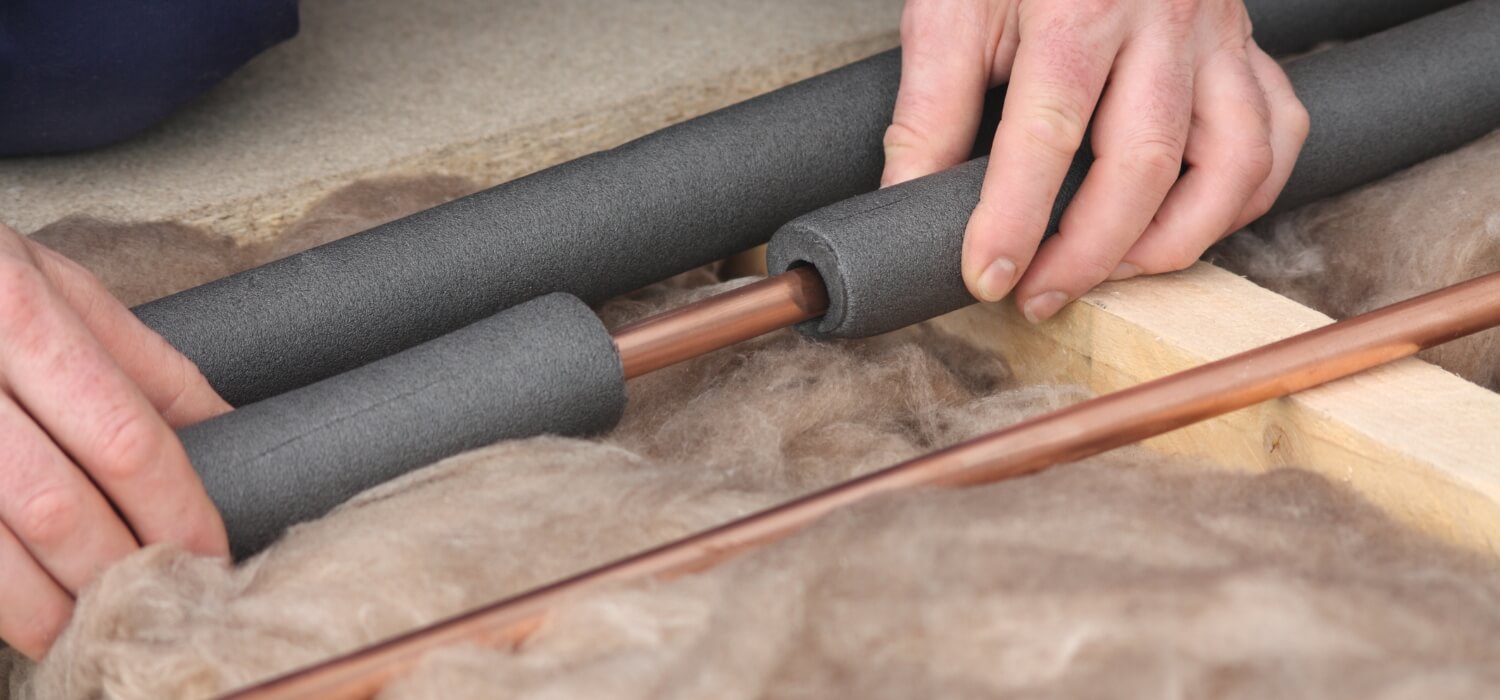
A simple but effective way to prevent frozen pipes is to insulate them. You can insulate indoor and outdoor pipes, but it’s best to prioritize those most susceptible to freezing, such as outdoor pipes, attic pipes, and basement pipes. This is not a guarantee but will help to delay the freezing process.
Popular forms of insulation include:
- Polyethylene foam insulation
- Rubber pipe insulation
- Pipe wrap
You can install insulation yourself, but if in doubt, search for ‘plumbers near me’ to find a qualified professional. Keeping your home warm in the winter makes a big difference. Make sure you have double-glazed windows, well-fitted doors and windows, and properly installed insulation.
Another option is to allow the faucets to drip. This is the simplest method, but it’s also the least reliable. One of the reasons that pipes freeze is because the water becomes stagnant. Allowing water to drip means that it remains in motion inside the pipes.
How to Spot Frozen Pipes
One of the problems with frozen pipes is that they aren’t always easy to spot. You can’t call a plumber for frozen pipe repair if you can’t tell whether your pipes are frozen or not.
Some common signs include:
- Little to no water coming out the faucet
- Visible frost on interior pipes
- Condensation forming on pipes
- Bulging pipes
- Whistling, banging, or other unusual noises
If the temperature is particularly cold or you’ve just returned from time away from home, it’s a good idea to check all faucets, toilets, showers, etc., to make sure the water is running normally.
You should also check pipes for any signs of leaking, as thawing or partially frozen pipes will leak before bursting. If you spot any of these signs, you should turn off the water, drain your pipes, and call a plumber.
Frozen Pipe Repair
If you’ve established that your pipes are frozen, but you don’t want to call a plumber just yet, there are some steps you can take to fix frozen pipes yourself. Here are four simple frozen pipe repair steps you should follow:
Turn Off Water
To limit any potential damage, you should turn off your home’s water supply. If a specific pipe is frozen and you’re lucky enough to have a shut-off valve for that section, you can use that instead. The important thing is to stop water pouring out the pipe if it bursts.
Prepare for the Worst
Hopefully, your pipe won’t burst, but it’s always best to prepare for the worst. If you suspect that only one pipe is frozen, clear as much out of the room as you can. If you’re unsure which pipe or how many are frozen, focus on protecting your most valuable possessions.
You should also grab items that would help with potential clean-up, such as a mop, buckets, towels, and appropriate clothing. Remember, the water in a frozen pipe will be freezing!
Gently Warm the Pipes
If you’re able to restrict water flow without turning the water off throughout your whole house, then you should turn on the heating. If that’s not an option, then a portable heater is the next best thing. The trick is to begin heating the room.
Make sure you leave faucets or other appliances open so that any meltwater can escape. Exposed pipes (including those under sinks or cupboards) can be warmed up with hairdryers, heat lamps, or electric heat tape. To reach pipes behind walls, you can try blowing hot air into any vents that lead to the same space. But you might need to cut a hole in the wall to reach the pipe more directly.
Just remember to thaw the pipes gradually. Applying too much heat can warm the frozen pipes too rapidly and cause them to crack or burst. So, never, ever pour boiling water onto pipes! It can take up to an hour for pipes to thaw, especially with less direct methods. So, patience and persistence are key!
Call a Plumber
You won’t always be able to fix frozen pipes yourself. If warming your home doesn’t solve the problem, or you’re in doubt about thawing pipes safely, it’s always best to call a professional. You might need to call an emergency plumber if the situation gets worse.
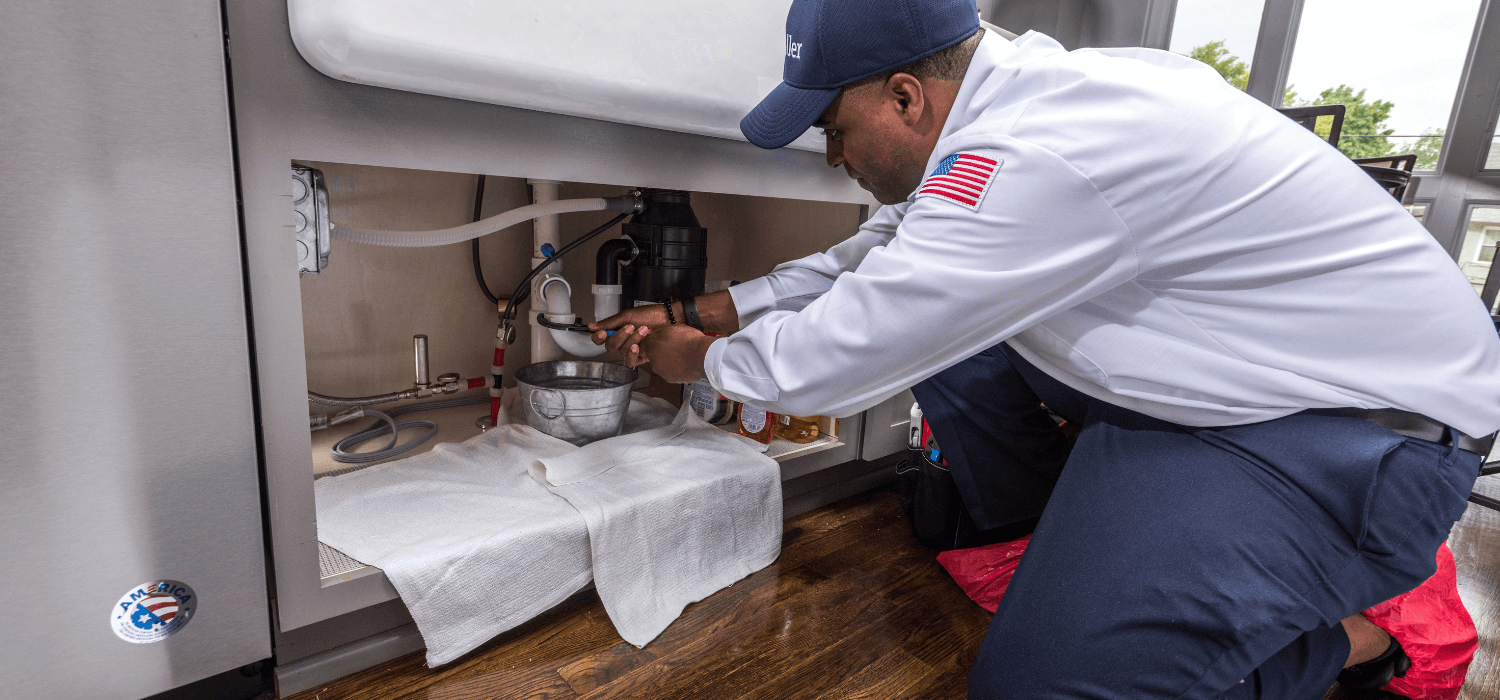
It may be possible to use pipe repair tape to patch up the leak, depending on its severity. When you call a plumber, you can describe the situation and ask for their advice.
Will Frozen Pipes Thaw Naturally?
There are situations where you might be able to let the pipes thaw on their own. For example, if you’ve been away and the temperature has plummeted overnight but is otherwise mild during the day.
It can take 24 hours for pipes to thaw on their own. But if the air temperature is mild, then the thawing process will have already started. By setting your thermostat to a low temperature, you can speed up the process.
Dealing With a Burst Pipe
Sadly, frozen pipe repair might come a little too late. If a pipe has burst in your home, you need to act fast! The longer you wait, the more water damage will occur. First, turn off the water. It may take some time for the pipes to fully empty, but at least the water flow will stop.
Drain the pipes by turning on any faucets you can. This will reduce the amount of water that can flow through the burst pipe. Depending on where the pipe burst, you might wish to turn off the power in your home as well, just as a safety precaution.
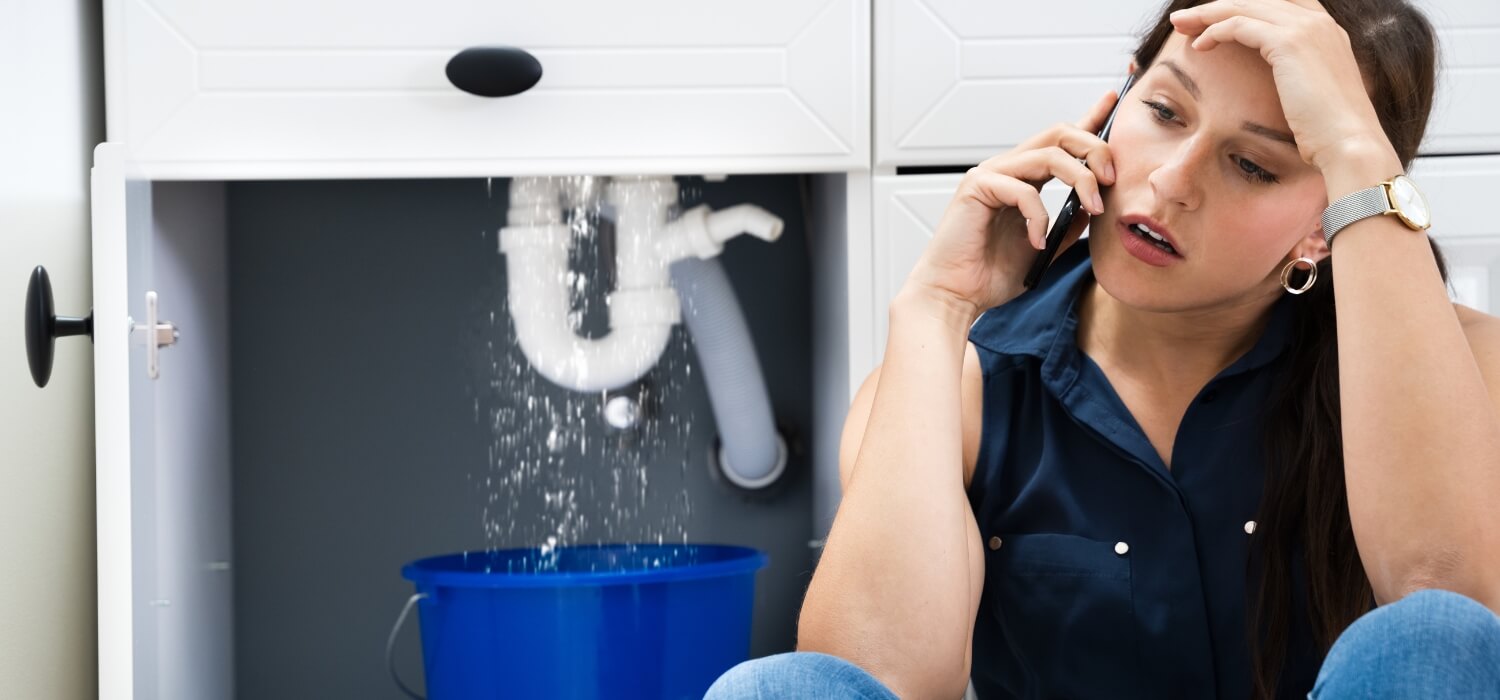
Next, call a professional! You may be eager to begin damage control, but the sooner you can get a plumber to your home, the sooner the problem will be fixed. It can take several hours to fix a burst pipe, depending on location and severity. Finally, you should begin damage control. Start by removing any dry possessions from the area, especially electronics or items carrying sentimental value.
Once the water stops flowing from the pipe, you can remove any damaged items and begin clearing water from the room. Make use of a mop and towels to soak up as much water as possible, and then use a portable heater and/or a dehumidifier to begin drying the room.
The quicker you remove the excess water, the less damage can be caused, especially to expensive features such as flooring and brickwork. If the water presents a health hazard, wait until the plumber arrives as they can offer advice.
Plumbers Near Me
Hopefully, this complete guide to frozen pipe repair has explained the ins and outs of why pipes burst, how to reduce the likelihood of them freezing in the first place, and how best to fix them.
Got a plumbing issue? Hiller will be there in a snap! Contact us to schedule a service. We also fix heating, cooling, and electrical issues!
 Daily Promotion
$1,000 Off Whole-Home Generators
Power security that fits your budget.
Get Promotion