Cold Snap Alert: When Do Pipes Freeze?

Enjoy reading the latest DIY articles and saving money?
Receive our latest helpful hints, tricks and savings, directly to your inbox.
Posted January 23, 2026
The average insurance claim for frozen pipe water damage can be more than $10,000! Frozen pipe bursts can be very costly. With devastating winter weather, it’s important to be vigilant about protecting your home’s plumbing.
As a homeowner, you may often wonder, at what temperature do pipes freeze? Understanding this will help you prevent expensive frozen pipe repair projects. Below is a blog that explores the specifics of when pipes tend to freeze.
At What Temperature Do Pipes Freeze?
Water freezes at 32 degrees Fahrenheit or colder but that doesn’t mean your pipes will. If the temperature outside drops to 32 degrees, it isn’t a reason to worry.
Most pipes are made of materials like PEX and PVC. These materials can handle cold temperatures to a certain extent. However, they have their limits.
The pipe burst temperature is generally around 20 degrees Fahrenheit. When the temperature falls below 20 degrees, the water inside the pipes can freeze and expand. This can exert a lot of pressure on the pipe walls, leading to cracks or bursts.
When Do Pipes Freeze?
Winter temperatures in can vary from year to year. But the coldest months are December, January, and February. During these months, the average low temperatures can drop into the 20s and even lower.
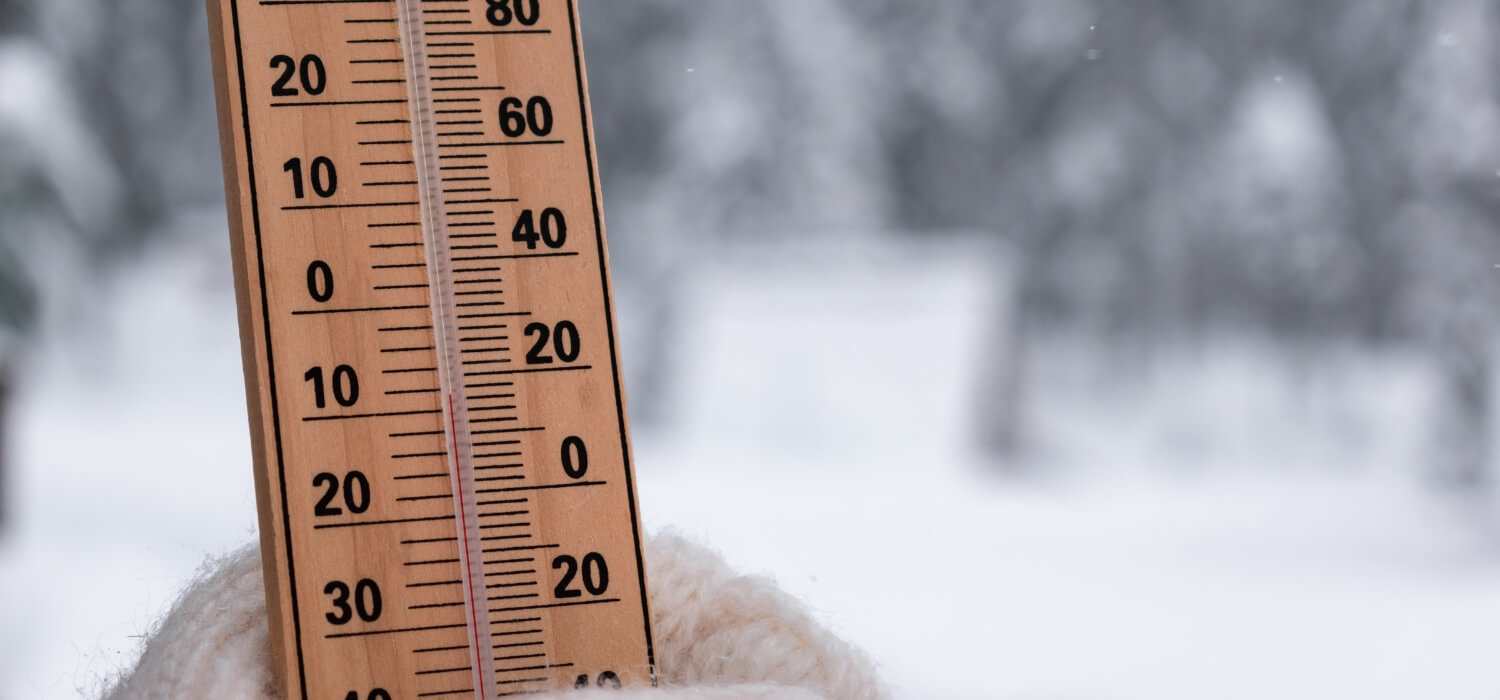
Your pipes will freeze when the temperature remains consistently below the pipe burst temperature for an extended period. When temperatures drop below 20 degrees Fahrenheit, insulated pipes take about 6 hours to freeze. Unprotected pipes can freeze in as little as 3 hours.
At 0 degrees Fahrenheit, insulated pipes may freeze in around 4 hours. Unprotected pipes can freeze in just 2 to 3 hours.
Which Pipes Are Most Likely to Freeze?
Your home has an intricate network of pipes but not all your pipes are equally vulnerable to freezing. The risk of freezing pipes varies depending on where they’re located. Here’s a breakdown of the most susceptible ones:
Pipes in Unheated Interior Spaces
The pipes in your basement, attic, and garage are most susceptible to freezing. These pipes aren’t often exposed to the warmth of your home’s heating system. As a result, they are more likely to reach the pipe burst temperature when temperatures drop.
Swimming Pool Pipes and Sprinkler Supply Lines
Swimming pools and water supply lines are often overlooked. But they can be among the first to freeze when the cold weather hits and cause plumbing issues. They are more vulnerable to freezing since they’re installed outdoors and contain water year-round.
Pipes Along Exterior Walls Without Enough Insulation
Pipes that run along exterior walls without adequate insulation are also a hot spot for freezing. These walls allow the cold air to penetrate. The lack of insulation makes it easier for the pipes to reach the freezing point.
Pipes Made From Galvanized Steel or Copper
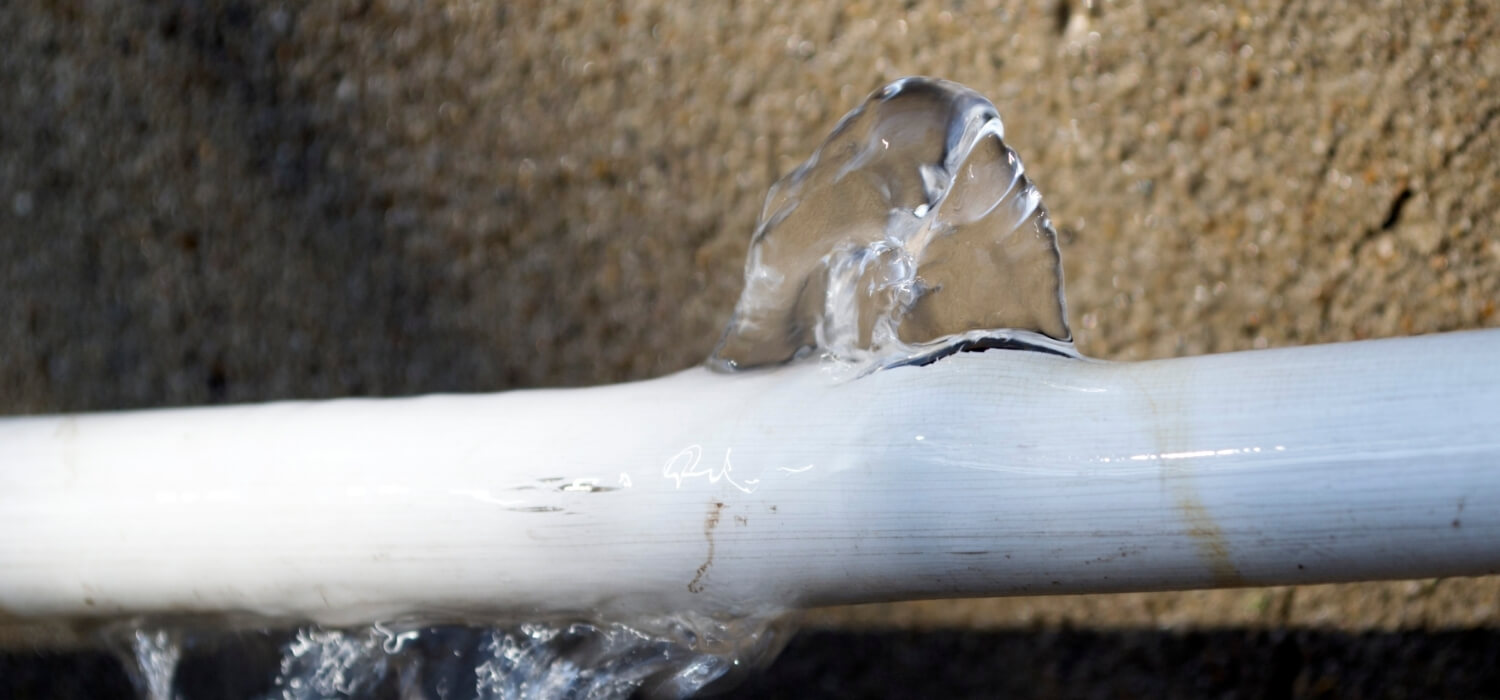
Pipes made from copper or galvanized steel are less flexible. As a result, they are more likely to burst when the water inside them freezes and expands.
Signs That You Have Frozen Pipes
It’s important to find a frozen pipe early. When you do, you can take action to prevent damage by raising your thermostat or consulting a professional plumber. Here are signs your pipes are freezing:
No Water
The complete absence of water flowing from your faucets may be a sign of frozen pipes. This means that the water within your supply lines has frozen solid. If the freeze is partial, you may still notice a slight trickle of water.
Strange Noises
Listen for unusual sounds coming from your water pipes. Whistling, gurgling, or banging noises may be a sign of ice moving through the pipes. You may even hear bubbling noises when you flush the toilet.
Smells From the Drain
If you detect a strong, unpleasant odor coming from your drains, it may signal frozen pipes. When water within your drain pipes freezes, the ice can block odors from food, grease, or waste that you dispose of. This can lead to unpleasant smells in the room connected to the pipe.
Visible Frost
Sometimes you can visually identify frost on your pipes. This is more apparent if you have exposed pipes. Pinpoint the frozen sections.
Crack or Bulge in Pipe
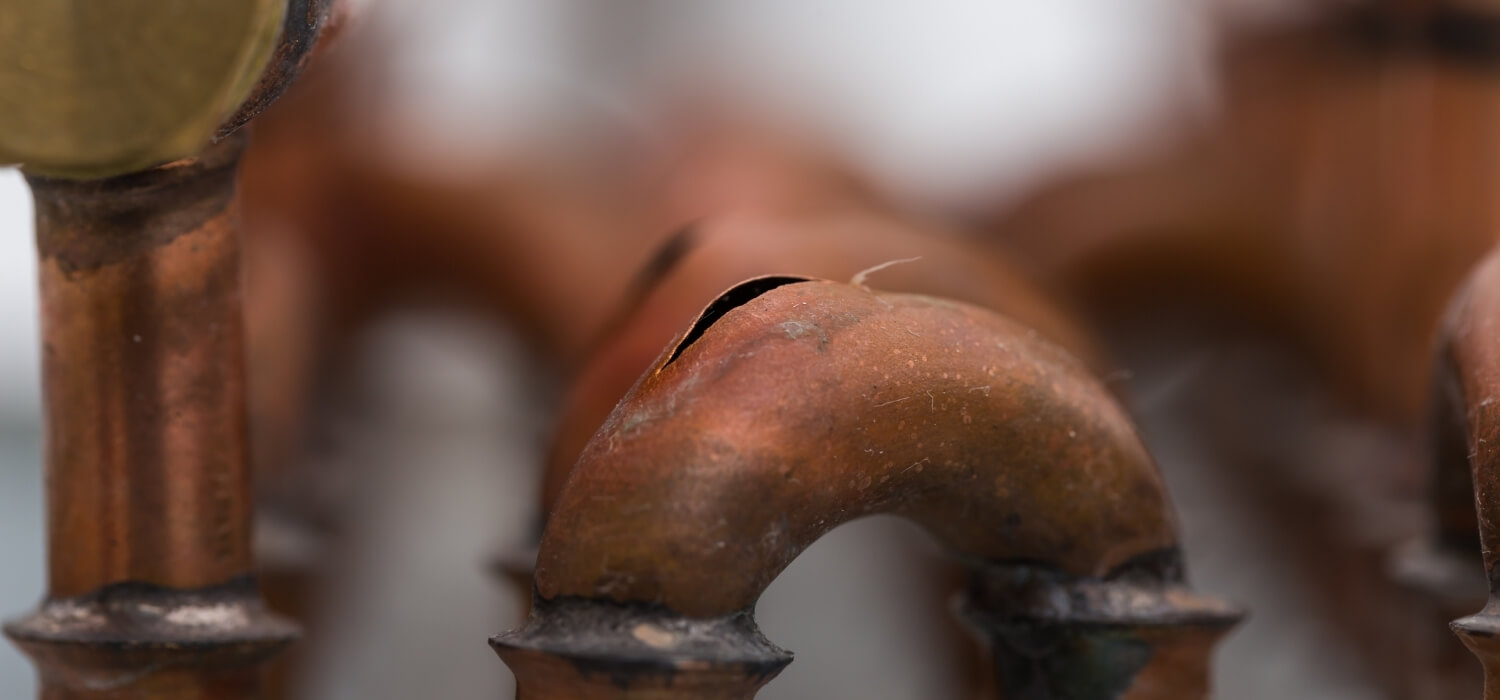
If you notice a crack or bulge in a water pipe, it’s a clear sign that your frozen pipe has burst. When water freezes, it expands. This causes the pipe to crack. Don’t hesitate to contact a local plumber if you observe a cracked or distorted pipe.
Water Damage
The most severe consequence of frozen pipes is water damage within your home. A burst pipe can result in flooding of your living space. To avoid this, keep an eye out for the following water damage signs:
- Peeling paint and wallpaper
- Strong, musty odors associated with mold
- Dirt-like stains of green, black, or orange
- Sound of water running when no fixtures are in use
In serious cases, it may lead to structural integrity issues such as sagging, collapsing, or texturing on walls and ceilings.
What Do You Do If You Have a Frozen Pipe?
If you’re faced with a frozen pipe, don’t panic. With the right steps, you can prevent it from bursting. Here is what you should do if you suspect a frozen pipe in your home.
Step 1: Turn Off the Main Water Line
To reduce the risk of a burst pipe, turn off your main water supply. First, locate the stop tap, which is usually found under your sink or where the service pipe enters your home.
If you have a cold water tank, isolate the supply from it. You can find it in the loft. Don’t forget to turn off your boiler or immersion heater.
Step 2: Locate the Frozen Pipe
Frozen pipes can occur anywhere in your house and affect multiple pipes. To check for frozen pipes, check all taps and toilets to see if they have running water. This will help you identify the most affected pipes.
Look for other signs of freezing, such as areas that feel colder to the touch, frosts, and more.
Step 3: Prepare for the Thaw
Before attempting to thaw your frozen pipe, open the taps nearest to the frozen pipes. It provides a release for pressure buildup as the ice thaws. Ensure you monitor these taps to prevent potential overflow.
Keep buckets and towels ready in case there are existing cracks in the pipe. Make sure you move any items near the pipe that you want to protect from getting wet. Also, shield exposed electrical wiring which is a safety hazard.
Step 4: Thaw Hidden Pipes
Start thawing the frozen pipe behind a finished wall. You can increase the thermostat temperature and wait for the ice to thaw gradually.
If necessary, tear out a section of the wall to access the pipe. Consider using an infrared lamp to thaw the pipe through the wall. For pipes behind walls, it’s best to call a plumber for professional assistance.
Step 5: Apply Heat to Exposed Pipes
Thawing an exposed pipe is easier. Start from the faucet side and work your way toward the frozen area. You can use the following products to apply heat:
- Infrared heating lamp
- Hair dryer
- Electric pipe heat tape
- Portable electric space heater
- Electric heating pad or blanket
- Towels soaked in hot water
Be cautious when thawing. Avoid using devices like blowtorches, kerosene, propane heaters, charcoal stoves, or any open flame. These devices can be dangerous and lead to further damage.
Step 6: Check for Other Frozen Pipes
Once you’re done with one frozen pipe, inspect other pipes in your home for signs of freezing. This can help prevent future issues.
The Best Way to Keep Pipes From Freezing
As temperatures start to drop, ensure you take proactive steps to protect your pipes from freezing. Preventing frozen pipes will help you avoid the costly and disruptive consequences of burst pipes. Below are practical steps you can take to winterize your pipes effectively.
Cover Exposed Pipes
Exposed water supply pipes are particularly vulnerable to freezing. To protect these pipes, cover them using materials, such as foam or fiberglass insulation. You can even use newspapers to cover exposed pipes in areas where freezing temperatures occur occasionally.
Insulate Unheated Areas
Pipes running through unheated spaces like basements are at risk of freezing due to the lack of warmth. Protect your pipes using insulation materials like sleeves or foam.
Measure your pipes to ensure the right fit. You can then cut the insulation to the needed length and wrap it around the pipes. Secure seams with duct tape and ensure you insulate corners and bends.
Insulating these areas can keep your pipes warmer. What’s more, a well-insulated home retains heat more efficiently. As a result, you can save money on utility bills.
Keep a Tap Running on Cold Days
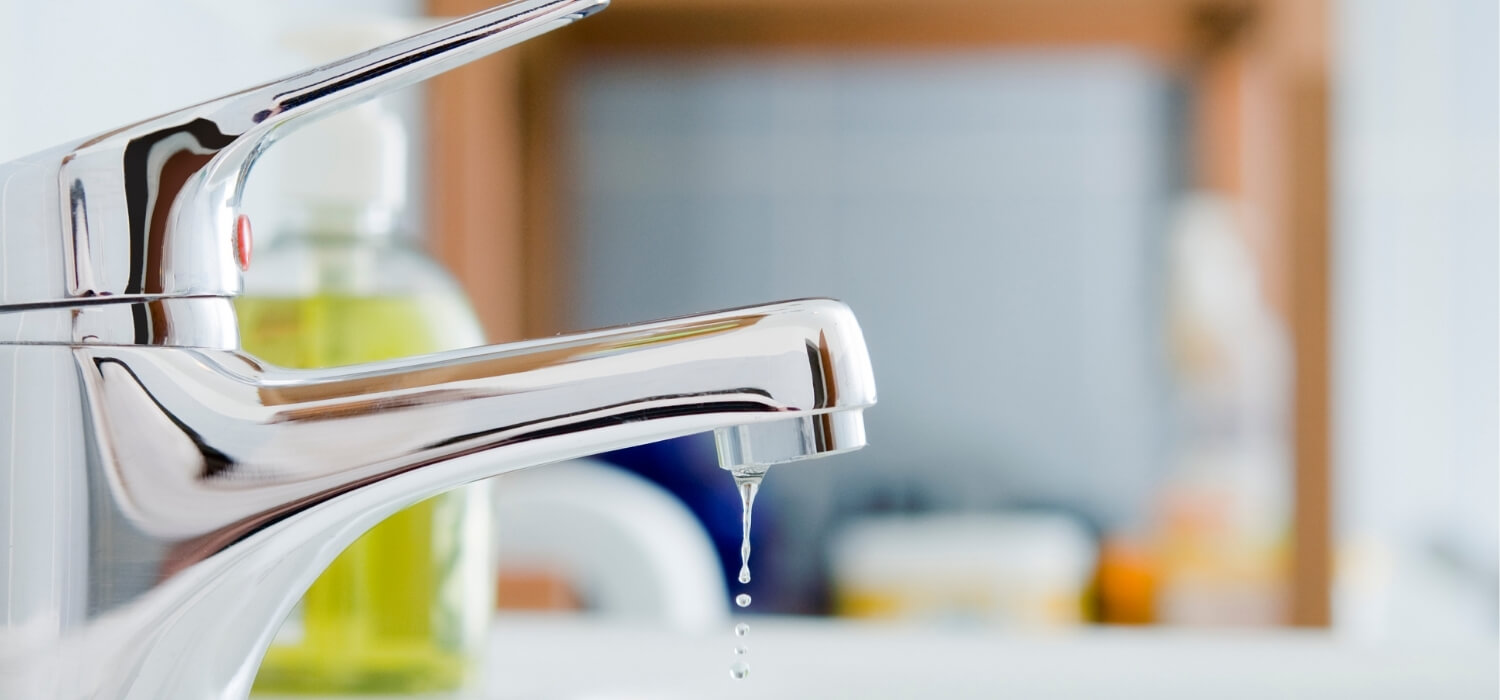
Leave your tap running, even at a slow drip. It allows a continuous flow of water. This motion and flow make it harder for ice to form and block the pipe.
Open Cabinet Doors in Bathrooms and Kitchens
To prevent burst pipes, open the cabinet doors beneath your kitchen and bathroom sinks. This allows the heated air from your home to circulate beneath the cabinets, warming up the pipes.
If your cabinets are located along an exterior wall, open the doors often. It’s because pipes in these areas are more susceptible to freezing due to their proximity to the cold outdoors.
Maintain a Constant Thermostat Temperature
When your pipes experience a cold snap, they’re likely to freeze. Try to maintain your thermostat at a constant temperature that works day and night. This helps to keep your pipes warmer, reducing the risk of freezing.
If you’re leaving for winter, keep your house at least 55°F. The steady temperature maintenance also places less strain on your furnace during extreme cold periods.
Seal Leaks and Drafty Areas
To further protect your pipes from freezing, address any gaps or leaks in your home. These openings can allow cold air to creep into your home, lowering the temperature around your plumbing. As a result, your pipes can freeze.
First, inspect your home for gaps. Once you find them, use caulk or weather-stripping to seal these openings. Also, add door sweeps to prevent drafts at the bottom of doors.
Drain Outdoor Faucets
Don’t forget about your outdoor faucets! Before winter sets in, close and drain them to prevent freezing. Use faucet covers to protect them throughout the winter months.
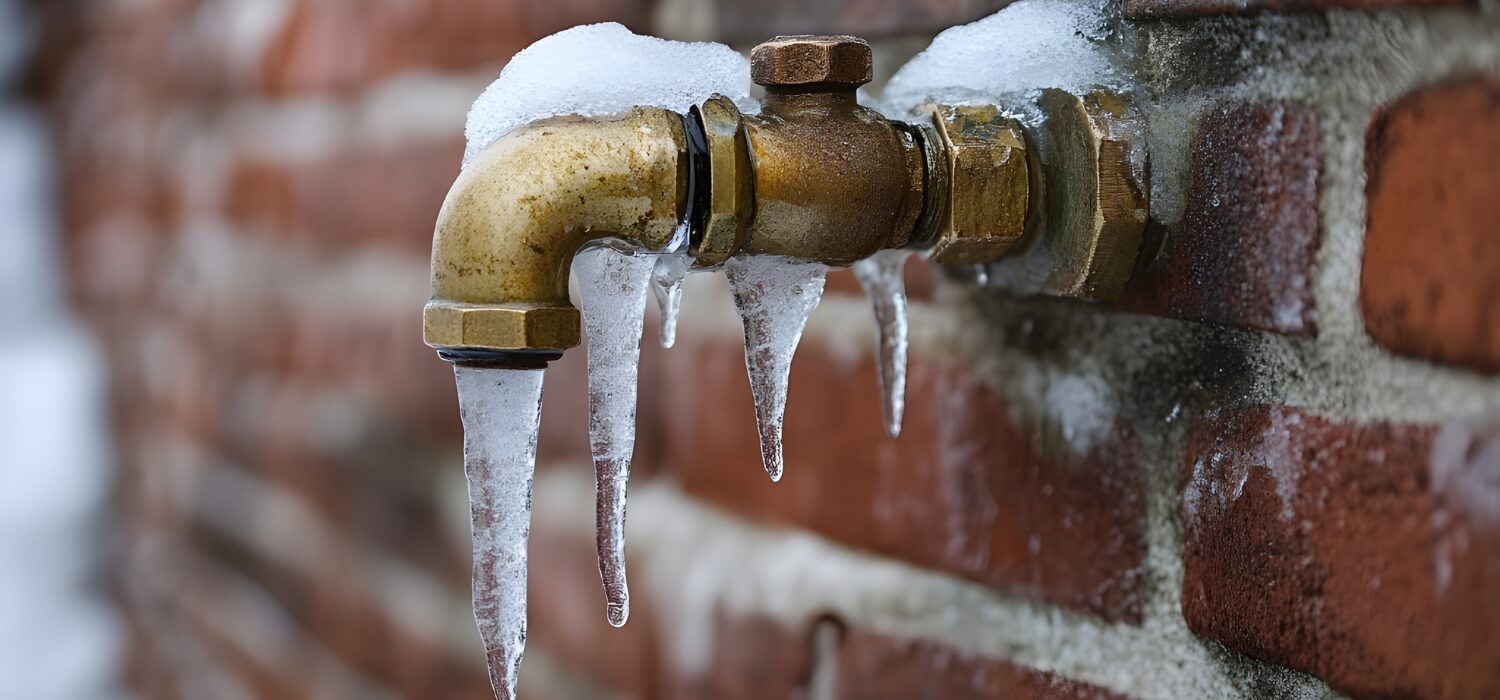
Additionally, disconnect garden hoses. You can also shut off the water supply to pipes leading to any outside faucets.
Keep Your Garage Door Closed
Keep your garage door closed as much as possible. When your garage door is left open during cold weather, warm air from your home escapes and cold air enters. This can lower the overall temperature in your home.
As the temperature drops, it increases the risk of your pipes freezing. Closing your garage door maintains a warmer environment inside your home. This reduces the chances of frozen pipes.
Bleed Your Radiators
To prevent your pipes from freezing, you should bleed your radiators. Over time, air can get trapped inside them.
When that happens, your home takes longer to warm up. This increases the risk of frozen pipes. Bleeding your radiators releases the trapped air and keeps them running efficiently.
Ensure you do this a couple of times a year, especially before winter arrives. You want your heating system to work at its best when the cold weather sets in.
Professional Rerouting
If certain pipe areas keep freezing repeatedly, have a professional plumber reroute the lines. A plumber ensures the installation complies with codes.
This method can effectively prevent the pipes from refreezing. It also offers a long-term solution to the issue.
Protect Your Pipes With Plumbing Experts
Dealing with frozen pipes can be a homeowner’s worst nightmare. Not only does it disrupt your daily routines, but it also poses a huge financial burden. Hopefully, this guide sheds some light on the question “At what temperature do pipes freeze?”
Trust the plumbing experts to protect your home from frozen pipe disasters. Contact us today to schedule a consultation.
 Daily Promotion
50% Off for Linemen on Select HVAC, Plumbing, & Electrical Repairs
A small thank you for keeping the lights on.
Get Promotion